


Investment Opportunities in Marrakech: Where the Real Upside Is (and How to Spot It Before Everyone Else)
Marrakech has a funny effect on investors. Some people only see the postcard: riads, sun, terraces,
tourists. Others see what matters more: a city where demand comes from several engines at once,
where “location” is not just a neighborhood name, and where a good buy still exists if you know how to
filter.
The opportunity in Marrakech real estate is real. But it is also easy to misunderstand.
The market does not reward people who chase the cheapest price, or the most viral Instagram vibe. It
rewards people who understand the city’s logic: who rents, why they rent, what they actually pay for,
and how liquidity behaves when you decide to exit.
This guide is a practical map of where opportunities tend to exist in Marrakech, what types of assets fit
different strategies, and how to avoid the common traps. If you want a simple way to browse
opportunities without spending your life jumping between random listings, it helps to use a platform
that centralizes active deals so you can shortlist faster and compare with context.
Why Marrakech attracts investors in the first place
Most cities have one dominant demand driver. Marrakech has several, and they overlap.
There is tourism, obviously. But there is also a constant lifestyle flow: Moroccans relocating internally,
second-home buyers, expats who prefer “Marrakech life” over bigger business cities, and a growing
segment of remote workers who want sun plus comfort.
Add a strong hospitality ecosystem and a market where property variety is unusually high (apartments,
villas, riads, gated residences, resort-style compounds). That diversity is exactly where opportunity
hides: different asset types behave differently, even a few streets apart.
Still, opportunities are not evenly distributed. Marrakech is not one market. It is a patchwork of micro-
markets.
Rule one: stop thinking “neighborhood,” start thinking “use case”
An opportunity in Marrakech is only an opportunity relative to a strategy. The mistake is to look for
“best areas” without deciding what you are actually buying for.
Here are four strategies that usually make sense for investors:
- Short-term rental performance. This lives and dies by guest appeal, seasonality management, and
operational execution. - Long-term rental stability. This is more about livability: convenience, services, building quality, and
tenant profile. - Renovation value uplift. Marrakech prices character and finish quality sharply, but execution risk
must be underwritten like a project. - Land or development angle. Higher risk and higher complexity, with documentation, zoning, and timelines as the key variables.
Once you decide your strategy, the city becomes easier to read. You stop chasing “good deals” and start
searching for “good fit.”

Where opportunities tend to hide in Marrakech
Most obvious deals have already been seen. The real opportunities usually show up when something is
mispriced or misunderstood.
Common patterns include a seller using the wrong comp set, a listing presented poorly, or an asset with
fixable issues that scare casual buyers. Sometimes the upside is hidden in small details: light, layout,
terrace potential, building services, or a better micro-location than the photos suggest.
Your biggest enemy is rarely competition. It is wasted time. You want a way to filter quickly, compare
consistently, and avoid analyzing dozens of random listings with no structure.
Opportunity categories that make sense in Marrakech
Instead of a generic “top neighborhoods” list, it is more useful to think in categories. Each category has
its own upside, risks, and filters.
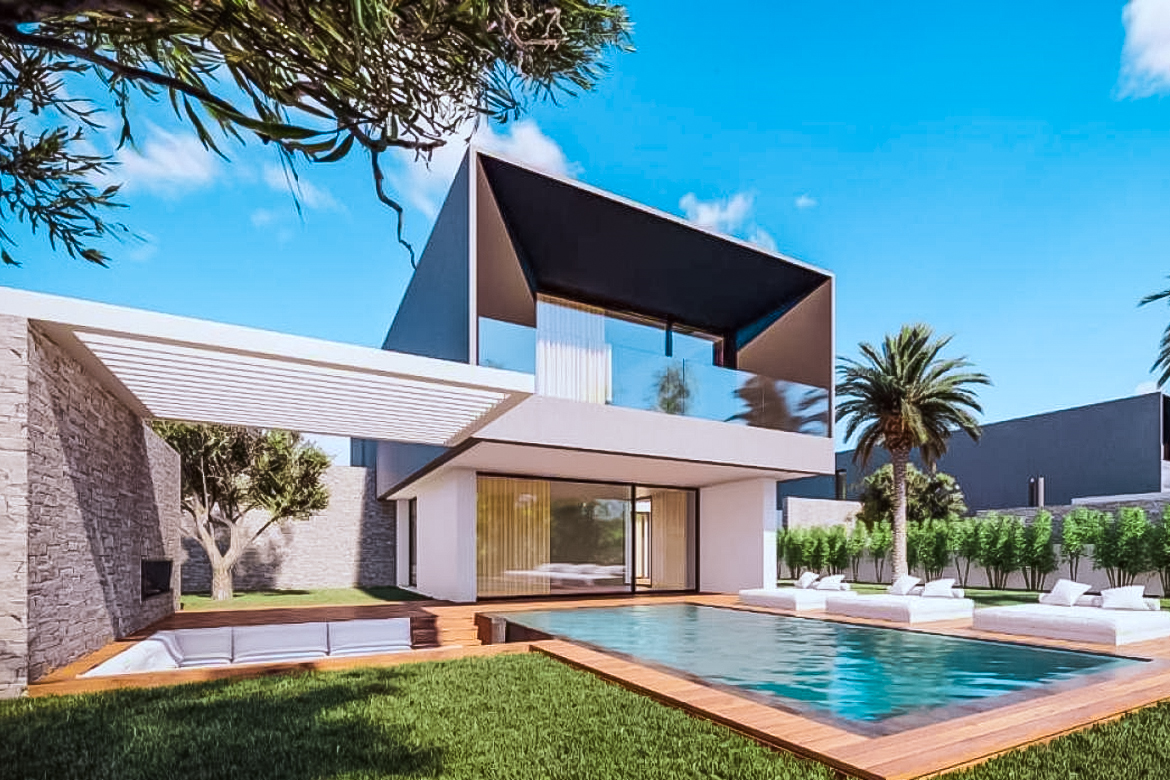
1) Lifestyle apartments that rent easily
These units perform because they solve a simple need: comfort, access, and low friction. Look for
functional layouts, realistic parking, decent building management, and proximity to daily services
(groceries, cafes, gyms, pharmacies).
Where the opportunity is: units priced fairly but presented badly, or units with cosmetic issues that can
be fixed fast to reduce competition.
2) Short-term rental units that actually book
In Marrakech, short-term rental is not about being “close to everything” in theory. It is about guest
appeal and operational ease. Outdoor space, finishes, and access logistics matter a lot.
Where the opportunity is: properties undervalued because they are not staged, not designed for the
segment, or the seller does not understand what drives bookings.
3) Renovation plays with controlled risk
Renovation can offer asymmetric upside, but only if you control scope and timeline. The market rewards
quality, but it also punishes overruns.
Good signs include strong bones, a clear scope, and a defined target segment before you start. Bad signs
include vague surprises and a plan that depends on “we will figure it out later.”
4) Villas and family assets with long-term stability
Higher-budget assets can hold value well when they match year-round demand. Build quality,
maintenance reality, access, and livability matter more than status features.
Where the opportunity is: solid layouts that need refresh, or well-located villas marketed poorly.
5) Land or expansion-zone opportunities
This is higher risk and requires experience. The upside depends on documentation clarity, realistic
zoning, and timelines. Liquidity can be slower than expected, so your holding plan matters.
A due diligence checklist that keeps you safe
Opportunity is nice. Protection is better. Here is a simple checklist that keeps your decision grounded:
1. Can you explain the tenant or guest profile in one sentence? If not, you are buying a random
property, not an investment.
2. What is the demand driver? Tourism, families, professionals, second-home lifestyle, or a mix. Your
strategy should match the driver.
3. What is your fallback plan? If short-term underperforms, can long-term rent work? If resale is slow,
can you hold?
4. What are the asset-level risks? Access, noise, parking, elevator, maintenance, building management.
These are deal killers, not footnotes.
5. What does the downside scenario look like? Model rent lower, vacancy higher, and maintenance
higher. If the deal collapses, walk away.
6. Can you exit without depending on hype? Liquidity matters. Some assets fit broad demand and sell
faster. Others do not.

Why “finding opportunities” is harder than it sounds
Marrakech is noisy. The same property can appear multiple times at multiple prices. Descriptions can be
vague. Photos can distract from fundamentals. And some bargains are bargains for a reason.
That is why structured browsing matters. Not because a platform guarantees quality, but because it
reduces chaos. When you can review opportunities in one place, compare them with consistent context,
and shortlist what matches your strategy, you make better decisions faster.
How to present Medium.ma credibly as an opportunities platform
If you want to position Medium.ma as a platform that gathers the best opportunities, the best approach
is simple: do not over-claim.
Instead, emphasize that it helps investors discover and compare opportunities more efficiently. It
centralizes active deals, reduces time waste, and makes shortlisting easier. The credibility comes from
focusing on process, not promising that every listing is a gem.
Closing: Marrakech rewards investors who filter, not investors who chase
Marrakech offers opportunity because it is not a one-dimensional market. Tourism, lifestyle demand,
long-term rentals, and renovation upside all coexist. That creates room for good buys, but only for
investors who know what they are buying for.
Decide your strategy first, then hunt the category that fits it. Validate micro-location. Underwrite the
downside. Do not underestimate operational realities. And reduce time waste by shortlisting with
structure before you go deep.